


I. Mission:
The research activities of the Department of Anti-Cancer Drug Development & Chemotherapy (ACDD&C) are focused on the design, synthesis, and biological evaluation of novel organometallic compounds as potential anticancer agents with minimized systemic toxicity, and modulation of immune responses. The major areas of research include acute leukemia and carcinomas of the breast, lung, ovary, and head and neck.II. Focus areas:
Drug Discovery & Medicinal Chemistry:
- Design, synthesis, and development of novel small-molecule organometallic and organic compounds with potential therapeutic applications.
- Structure–activity relationship studies and optimization of lead compounds for improved anticancer efficacy and selectivity.
Mechanistic Oncology & Molecular Pharmacology:
- Investigation of cellular and molecular mechanisms underlying anticancer activity.
- Multi-omics approaches, including proteomics and transcriptomics, for molecular profiling and identification of therapeutic targets.
- Molecular pathway analysis, ADMET profiling, and drug metabolism and pharmacokinetics (DMPK) studies.
- Evaluation of pharmacokinetic and pharmacodynamic properties of potential therapeutic candidates.
Cancer Research Areas:
- Acute leukemia
- Breast cancer
- Lung cancer
- Ovarian cancer
- Head and neck cancer
III. Key research achievements:
Key Research/Clinical Achievements
- Development of α-Mercurin: Synthesized an organometallic compound that demonstrates notable elimination of immature leukemic blasts across in vitro, ex vivo, and in vivo leukemia models.
Indian patent granted (Patent no: 487291, dated 22/12/2023) - TNBC & Acute Leukemia Pipeline: Successfully advanced novel 2-mercaptophenol-based derivatives into ongoing therapeutic evaluation against acute leukemia and triple-negative breast cancer.
Visual Media
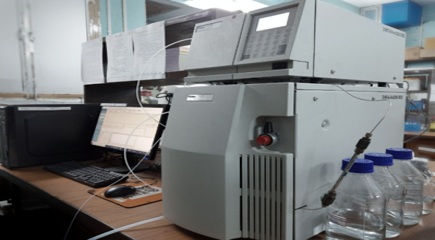
High-Performance Liquid Chromatography (HPLC)
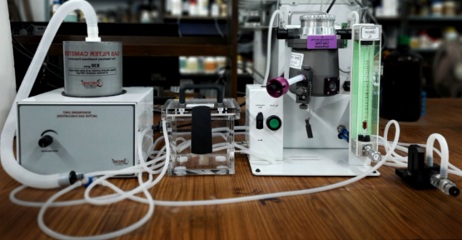
Animal Anaesthesia System
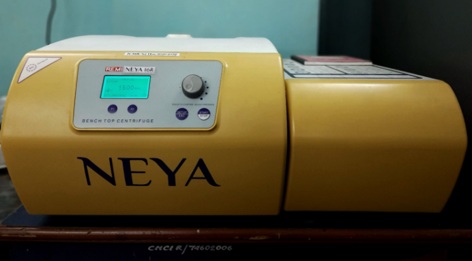
Cold Centrifuge
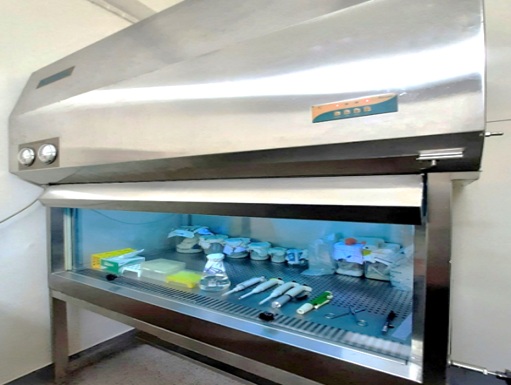
Biosafety Cabinet
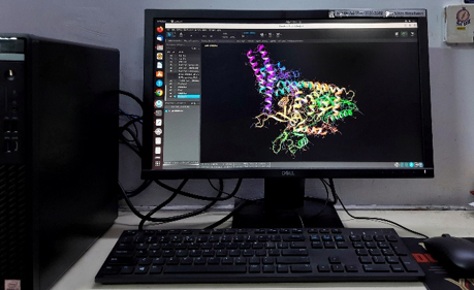
In silico Workstation
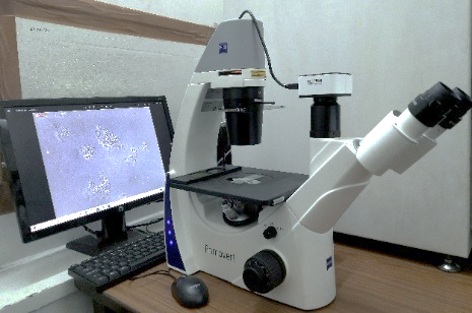
Inverted Microscope
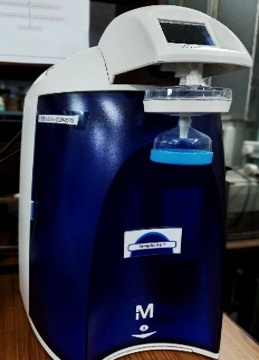
Type-I Water Purification System

Dr. Supratim Ghosh, Ph.D.
Senior Scientific Officer-II
supratimghosh@cnci.ac.in
supratimghos@gmail.com
Facilities & Key Services:
- High-Performance Liquid Chromatography (Waters)
- Animal Anaesthesia System (Orchid Scientific)
- Inverted Microscope with Imaging Facility (Zeiss)
- Biosafety Cabinet (Klenzaids)
- Cold Centrifuge (REMI)
- Type-I Water Purification System (Millipore)
- In Silico Work Station
Research & Publications:
Projects
| Sl No. | Name of the Project | Funded by | Status |
|---|---|---|---|
| 1 | Investigation of Anti-Cancer Activity of a Novel Multi-Modality Nano-Conjugate: Poly-FdUMP Coated Gold Nano-Rod | ICMR | Ongoing |
| 2 | Development of a novel mercury based organo-metallic complex for acute leukemia treatment | ICMR | Ongoing |
| 3 | Investigation of Radiation Sensitizing Potential of a Mercury Containing Novel Organo-metallic Complex for Cancer Therapy: A Pilot Study | Govt. Of West Bengal Science & Technology and Biotechnology Department (WBDSTBT) | Accomplished |
Prominent publications
| Year | Title of paper |
|---|---|
| 2026 | Mondal S, Ghosh O, Bagchi B, Jana P, Maiti B, Mukherjee KK, Ghosh S. “A first-in-class multimodal organomercury compound demonstrates preferential blast reduction with improved hematopoietic and immune health in ALL.” bioRxiv, 2026, DOI: https://doi.org/10.64898/2026.07.18.739301 (Under revision: ACS Pharmacology & Translational Science |
| 2026 | Mondal S, Maiti B, Ghosh O, Ghosh S. “Structure–property relationship of rationally designed α-mercurated curcumin derivatives: quantum-chemical insights for aqueous compatibility and pharmacological activity.” ChemRxiv, 2026, DOI: https://doi.org/10.26434/chemrxiv.15007438/v2 (Under review: Computational and Theoretical Chemistry) |
| 2026 |
Ghosh S, Chaudhuri R, Mukherjee M, Samanta A, Saha P, Henneman LRF, Majumdar D, Sengupta MR, Chakraborty A, Maiti B, Ghosh S, Biswas A, Sinha D. Seasonal fluctuations in ambient particulate matter2.5 exposure differentially regulate JAK2/STAT3 signaling in never smoking rural and urban cohorts. Free Radic Biol Med. 2026 Apr; 247:419-434.
doi: 10.1016/j.freeradbiomed.2026.02.006. |
| 2025 | Mondal S, Das U, Ghosh O, Maiti B, Halder S, Pal U, Mukherjee KK, Ghosh S. "Mercury can bond to α-carbon of curcumin increasing stability in aqueous medium and demonstrated selective cytotoxicity against acute leukemia." ACS Omega, 2025, 10(17), 17416–17434. DOI: https://doi.org/10.1021/acsomega.4c10710 |
| 2024 | Mondal S, Basu D, Maiti B, Ghosh O, Ghosh S. "Application of nanotechnology in cancer therapy: potential and limitations." Journal of Current Oncological Trends, 2024, 1(2), 76–89. DOI: https://doi.org/10.4103/JCOT.JCOT_17_24 |
| 2023 | Mukhopadhyay D, Chakroborty B, Basu M, Ghosh S, Panda C. "Differential activation of NOTCH1 pathway in HNSCC cell lines of different anatomical sites." Indian Journal of Experimental Biology, 2023, 61(4), 244–251. DOI: 10.56042/ijeb.v61i04.171. |
| 2020 | Das U, Bhuniya A, Roy A, Gmeiner W, Ghosh S. "Hairpin oligonucleotide can functionalize gold nanorods for in vivo application delivering cytotoxic nucleotides and curcumin: A comprehensive study in combination with near-infrared laser." ACS Omega, 2020, 5(44), 28463–28474. |
| 2018 | Ghosh S., Mallick S., Das U., Verma A., Pal U., Chatterjee S., al A. N. E. "Curcumin stably interacts with DNA hairpin through minor groove binding and demonstrates enhanced cytotoxicity in combination with FdU nucleotides." Biochimica et Biophysica Acta (BBA) – General Subjects, 2018, 1862(3), 485–494. |
| 2018 | Das U., Sahoo A., Haldar S., Bhattacharya S., Mandal S. S., Gmeiner W. H., Ghosh S. "Secondary Structure Dependent Physicochemical Interaction of Oligonucleotides with Gold Nanorod and Photothermal Effect for Future Applications: A New Insight." ACS Omega, 2018, 3(10), 14349–14360. |
| 2014 | Nanotechnology for cancer treatment, WH Gmeiner, S Ghosh, Nanotechnology Reviews, 3 (2),111-122 |
| 2014 | Ghosh S., Ucer K., Jr R. D., Grant K., Sirintrapun J., Thomas M., Hantgan R., Bharadwaj M. "Non-covalent assembly of meso-tetra-4-pyridyl porphine with single-stranded DNA to form nano-sized complexes with hydrophobicity-dependent DNA release and anti-tumor activity." Nanomedicine: Nanotechnology, Biology and Medicine, 2014, 10(2), 451–461. |
| 2012 | Ghosh S., Jr F. S., Horita D., Gmeiner W. "Cooperative stabilization of Zn2+: DNA complexes through netropsin binding in the minor groove of FdU-substituted DNA." Journal of Biomolecular Structure and Dynamics, 2012, 31(11), 1301–1310. |
| 2011 | Ghosh S., Jr F. S., Horita D., Gmeiner W. "Zn2+ selectively stabilizes FdU-substituted DNA through a unique major groove binding motif." Nucleic Acids Research, 2011, 39(10), 4490–4498. |
| 2009 | Ghosh S., Dutta S., Gomes E., Carroll D., Jr R. D., Olson J., Guthold M., Gmeiner W. "Increased heating efficiency and selective thermal ablation of malignant tissue with DNA-encased multiwalled carbon nanotubes." ACS Nano, 2009, 3(9), 2667. |
Lab Members
| Sl No. | Name of the Fellow | Funding Agency | Projects |
|---|---|---|---|
| 1 | Mr. Subhankar Manna | CSIR-JRF | |
| 2 | Ms. Oyendrila Ghosh | CSIR-SRF | |
| 3 | Mrs. Bidisha Maiti | UGC-SRF | |
| 4 | Mr. Sougata Monda | CSIR-SRF | |
| 5 | Dr. Upasana Das | Postdoctoral Fellow, Wake Forest University School of Medicine, USA |